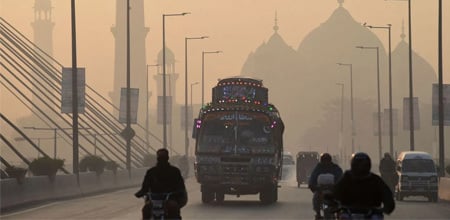
Pakistan’s air pollution crisis has become one of the country’s most persistent environmental and public health emergencies. Each winter, cities such as Lahore, Karachi, Peshawar and Faisalabad rank among the most polluted in the world. The smog that blankets these urban centers is not a seasonal inconvenience. It is a growing national challenge that affects public health, economic stability, and long term national resilience. Rapid industrialisation, unchecked urban expansion, dependence on fossil fuels, and weak regulatory enforcement have allowed the problem to escalate despite repeated action plans and rising public concern.
The Scale of the Crisis
Pakistan consistently appears among the top countries with the worst air quality. The 2024 IQAir World Air Quality Report ranked Lahore as the second most polluted city globally with annual PM2.5 levels exceeding 120 micrograms per cubic meter. This is more than twenty times higher than the World Health Organisation safe limit of 5 micrograms. During peak smog months, research by the University of the Punjab recorded PM2.5 levels surpassing 300 micrograms per cubic meter in Lahore.
Other major cities including Karachi, Faisalabad, Peshawar, and Rawalpindi also experience pollution levels that far exceed international safety thresholds. The economic cost is severe. The World Bank estimates that air pollution drains nearly 6 percent of Pakistan’s GDP every year through healthcare burdens, reduced labour productivity, and premature mortality. The World Health Organisation attributes more than 135,000 deaths annually in Pakistan to air pollution related diseases, making it a leading cause of preventable mortality. Children are particularly vulnerable since long term exposure affects lung development, cognitive growth, and immune strength.
Major Sources of Air Pollution
Pakistan’s air pollution crisis has multiple interconnected causes.
Vehicular Emissions
The transport sector has expanded rapidly but without modern fuel standards or effective inspection systems. Old diesel trucks, outdated buses, and poorly maintained rickshaws emit high levels of harmful pollutants. The shift toward lower quality fuel in response to global oil prices has worsened this trend.
Industrial Pollution
Industries including brick kilns, steel mills, cement factories, and small scale manufacturing remain major contributors. Many operate without proper filtration systems or real time emissions monitoring. The Pakistan Environmental Protection Agency reports that brick kilns alone account for nearly 35 percent of winter smog in Punjab. Many kilns still burn rubber, plastic, and low grade coal to reduce operating costs.
Agricultural Residue Burning
Crop residue burning remains a recurring problem as farmers often burn fields to prepare land quickly for the next cycle. Alternative machinery such as the Happy Seeder has been introduced, but adoption remains low due to cost barriers and limited rural financing options.
Urban Waste Burning and Construction Dust
Cities across Pakistan suffer from inadequate waste management systems, leading to widespread burning of garbage. Meanwhile, rapid construction activity releases large volumes of dust when dust suppression rules are not enforced.
Climate Factors and Seasonal Smog
Climate patterns intensify pollution. Winter temperature inversions trap pollutants close to the surface, turning cities like Lahore into smog basins. Low wind speeds prevent dispersal, while high humidity allows particles to combine into thicker smog. The Pakistan Meteorological Department has documented a rise in winter inversion events over the last decade. Climate change is expected to worsen these patterns in the years ahead.
Public Health and Social Impacts
Air pollution affects almost every aspect of daily life. Hospitals in Punjab and KP see sharp increases in respiratory and cardiac emergency admissions during smog periods. Schools are frequently closed due to hazardous air quality. Workers in transport, construction, agriculture, and manufacturing face prolonged exposure that reduces productivity and increases medical expenses. Long term impacts include asthma, chronic obstructive pulmonary disease, stroke, heart disease, and adverse birth outcomes.
Low income communities bear the highest burden since many live near industrial clusters or congested roads and have limited access to healthcare. The social and economic cost of air pollution disproportionately affects vulnerable groups and deepens inequality across the country.
Pathways to Improvement and Long Term Solutions
Addressing Pakistan’s air pollution crisis requires sustained, science driven, and coordinated policy action.
Cleaner Transport
Improving fuel quality standards, enforcing vehicle emissions testing, and transitioning public transport fleets toward electric or hybrid systems can significantly reduce urban emissions. Expanding mass transit networks in cities like Lahore and Karachi will reduce dependence on motorcycles and private cars.
Industrial Compliance
Strengthening environmental regulation is essential. Converting brick kilns to zigzag technology, installing modern scrubber systems in industries, and enforcing real time emissions monitoring can reduce particulate pollution. Financial incentives and low interest loans can help small industries upgrade to cleaner technologies.
Agricultural and Waste Reforms
Promoting residue management machinery, subsidising sustainable alternatives to crop burning, and enforcing penalties for burning can reduce seasonal smog. Cities must improve waste collection systems to eliminate garbage burning. Construction sites should be required to implement dust control measures including water spraying and covering of materials.
Urban Planning and Community Action
Expanding green spaces, protecting urban forest cover, and encouraging rooftop cultivation can help improve long term air quality. Public awareness campaigns can encourage citizens to report violations and adopt cleaner practices.
A Path Toward Cleaner Skies
Pakistan’s air pollution crisis is serious but not irreversible. With targeted public policy, investment in clean technologies, and consistent enforcement, Pakistan can reduce pollution levels and safeguard the health of its people. Cleaner air will strengthen productivity, reduce healthcare costs, and create a more liveable urban future. The country has the knowledge, tools, and capacity to change course. What is required now is sustained commitment and coordinated national action.